"logo.jpg")

chips
Null
2025
Hope Academy è il luogo dove università e arte si incontrano per dare voce alla memoria collettiva, cambiare le norme sociali e costruire una cultura della sicurezza.
progetto di Terza Missione dell'Università di Bologna
coordinato dalla Prof.ssa Emanuela Carbonara, Docente di Politica Economica
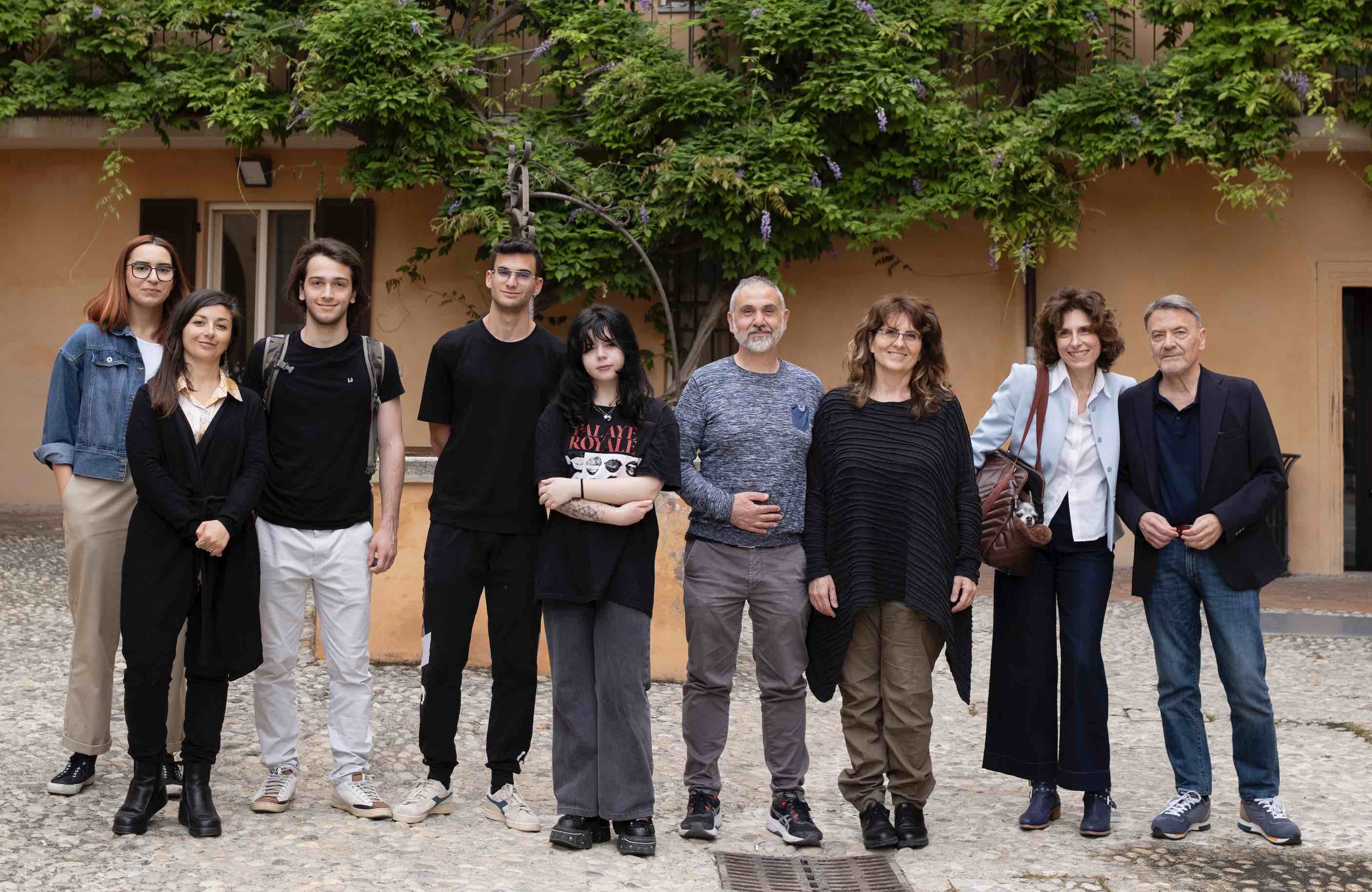
Responsabili Scientifici del Progetto
Emanuela Carbonara, Dipartimento di Sociologia e Diritto dell’Economia – Università di Bologna
Melissa Moralli, Dipartimento di Sociologia e Diritto dell’Economia – Università di Bologna
Enrico Santarelli, Dipartimento di Scienze Economiche – Università di Bologna
in collaborazione con: Imagem srl, società di produzioni multimediali e design
Hope Academy nasce dall’incontro tra università, arte e società civile, come percorso di ricerca e impegno sui temi della sicurezza sul lavoro, della memoria collettiva e della sostenibilità sociale.
Avviato nel 2024, il progetto coinvolge studenti e studentesse delle scuole superiori e universitari/e, docenti, ricercatrici e ricercatori e gli artisti Paola Samoggia e Carlo Magrì. Ha dato vita a cortometraggi di videoarte, installazioni e momenti di riflessione pubblica, promuovendo un dialogo costante tra sapere accademico, creatività e cittadinanza.
La missione di Hope Academy è trasformare la conoscenza in consapevolezza sociale, usando il linguaggio universale dell’arte per comunicare in modo immediato e inclusivo, creando una nuova cultura della sicurezza e della memoria collettiva.
Diffondere consapevolezza sui temi della sicurezza, del rischio e della prevenzione attraverso linguaggi innovativi e interdisciplinari.
Promuovere la partecipazione attiva di studentesse e studenti, lavoratrici e lavoratori e cittadine e cittadini, trasformandole/i da spettatrici e spettatori a protagoniste/i di una riflessione condivisa.
Costruire memoria collettiva sulle morti sul lavoro, contrastando l’oblio e stimolando processi di cambiamento culturale e istituzionale.
Collegare università e società in un percorso di terza missione che unisca ricerca, didattica e impatto sociale.
coordinato dalla Prof.ssa Emanuela Carbonara, Docente di Politica Economica
“HOPE ACADEMY: Sicurezza sul lavoro, memoria e coscienza collettiva tra arte e impegno sociale”.
Emanuela Carbonara, Dipartimento di Sociologia e Diritto dell’Economia – Università di Bologna
Melissa Moralli, Dipartimento di Sociologia e Diritto dell’Economia – Università di Bologna
Enrico Santarelli, Dipartimento di Scienze Economiche – Università di Bologna
in collaborazione con: Imagem srl, società di produzioni multimediali e design
Avviato nel 2024, il progetto coinvolge studenti e studentesse delle scuole superiori e universitari/e, docenti, ricercatrici e ricercatori e gli artisti Paola Samoggia e Carlo Magrì. Ha dato vita a cortometraggi di videoarte, installazioni e momenti di riflessione pubblica, promuovendo un dialogo costante tra sapere accademico, creatività e cittadinanza.
La missione di Hope Academy è trasformare la conoscenza in consapevolezza sociale, usando il linguaggio universale dell’arte per comunicare in modo immediato e inclusivo, creando una nuova cultura della sicurezza e della memoria collettiva.
Diffondere consapevolezza sui temi della sicurezza, del rischio e della prevenzione attraverso linguaggi innovativi e interdisciplinari.
Promuovere la partecipazione attiva di studentesse e studenti, lavoratrici e lavoratori e cittadine e cittadini, trasformandole/i da spettatrici e spettatori a protagoniste/i di una riflessione condivisa.
Costruire memoria collettiva sulle morti sul lavoro, contrastando l’oblio e stimolando processi di cambiamento culturale e istituzionale.
Collegare università e società in un percorso di terza missione che unisca ricerca, didattica e impatto sociale.
Da cinque anni Imagem promuove una campagna di sensibilizzazione sulla dignità e la sicurezza sul lavoro, utilizzando il linguaggio della video-danza come strumento espressivo e civile
Sottotitolo: Coreografia della memoria, una denuncia silenziosa, un gesto corale di coscienza.
Secondo cortometraggio di Hope Academy, Blank raccoglie l’eredità di Red Ribbon e ci porta più lontano: dalla denuncia al rifiuto dell’oblio.
Realizzato con la collaborazione delle studentesse e degli studenti del corso “Innovazione sociale, sviluppo locale e azione collettiva” – Laurea Triennale in Sociologia, è una riflessione sul vuoto, sulla dimenticanza, sulla rimozione collettiva delle tragedie sul lavoro.
Blank esplora cosa significa dimenticare – o peggio, rimuovere – morti che avvengono nei luoghi che dovrebbero proteggerci: i luoghi di lavoro.
Le cosiddette "morti bianche", silenziose e ridotte a una spaventosa normalità, anestetizzano la coscienza collettiva.
Il bianco del titolo diventa simbolo di assenza ma anche di resistenza.
Attraverso la danza corale, Blank mette in scena corpi che cadono e si rialzano, gesti che interrogano il silenzio, simboli che diventano linguaggio
L’unione diventa forza: dietro al lembo bianco, il danzatore può esporsi e protendersi al limite solo grazie alla forza dei compagni che lo sostengono.
L’unione diventa forza: dietro al lembo bianco, il danzatore può esporsi e protendersi al limite solo grazie alla forza dei compagni che lo sostengono.

Evento di presentazione del progetto: “HOPE ACADEMY: Sicurezza sul lavoro, memoria e coscienza collettiva tra arte e impegno sociale”...
2024
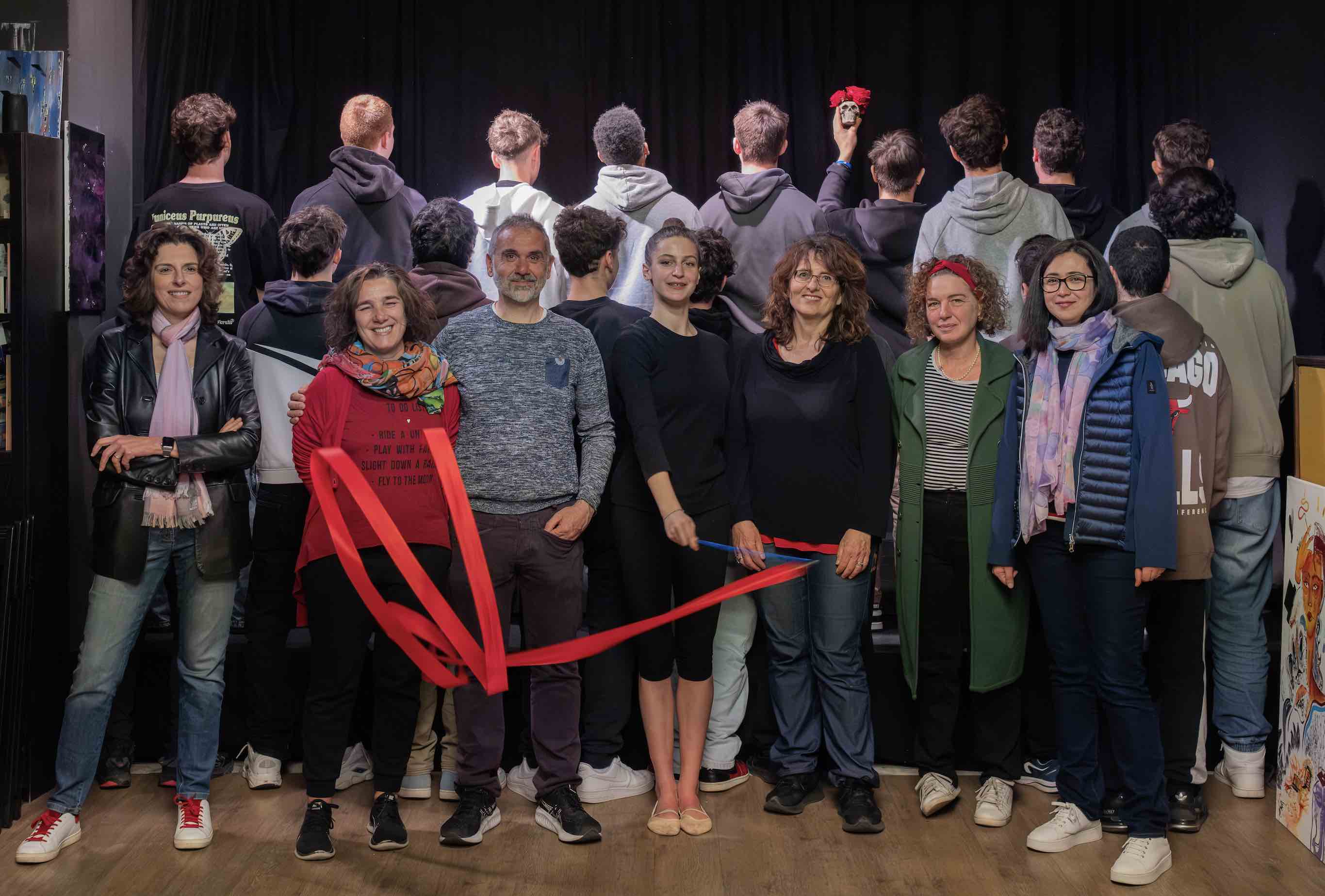
Il progetto è stato realizzato con il contributo della Classe 3A (elettronica) dell'Istituto Belluzzi-Fioravanti di Bologna (professoresse Mariangela Mole, Anna Persetto) e dell’A.s.d. Pontevecchio Annalisa Bentivogli (istruttrice) Greta Evangelisti (ginnasta).
Titolo del cortometraggio 2024: RED RIBBON
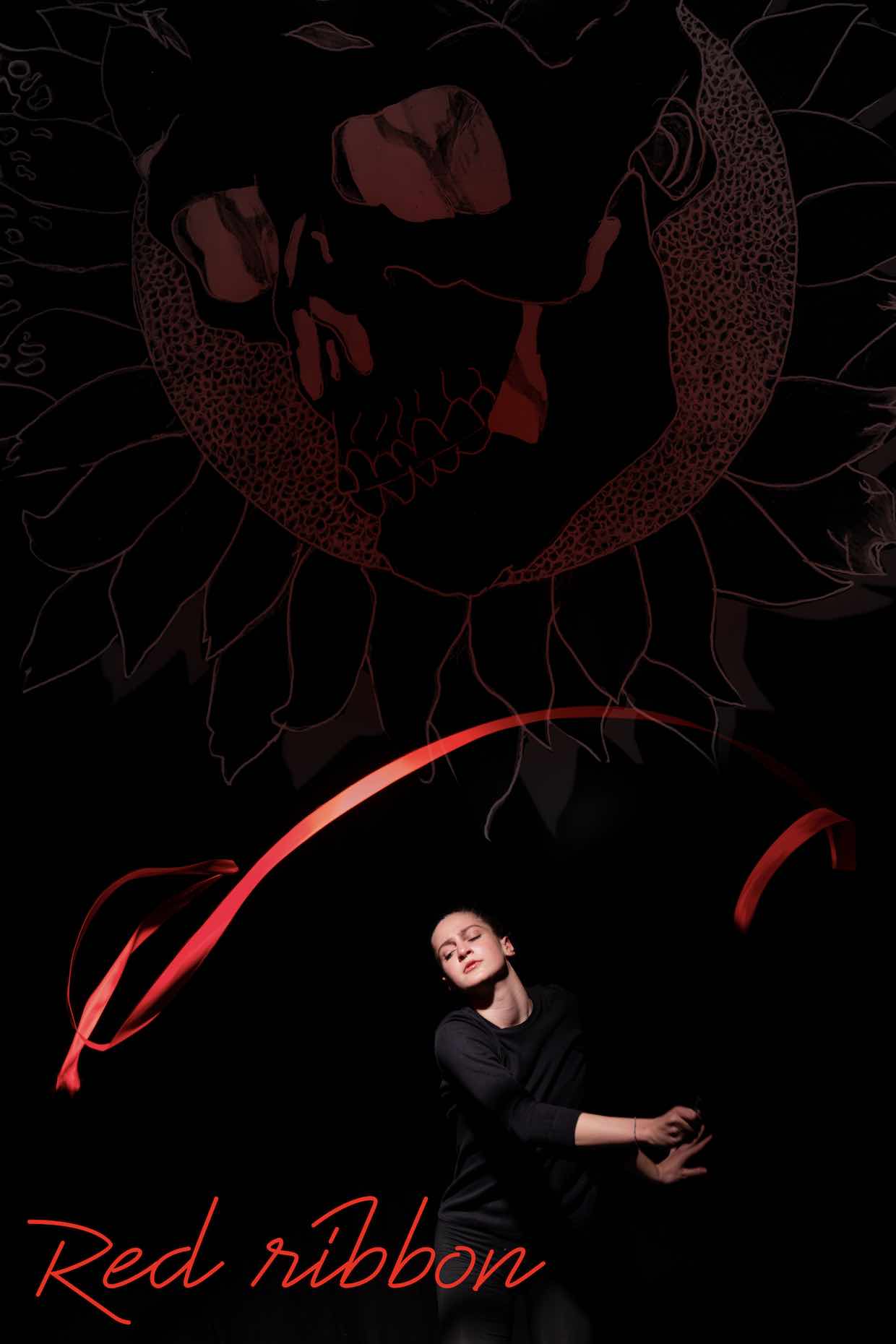
Primo cortometraggio di Hope Academy, realizzato in collaborazione con gli studenti e le studentesse, le docenti e i docenti della classe 3A elettronica dell’I.I.S. Belluzzi Fioravanti di Bologna e la A.S.D. Polisportiva Pontevecchio - Settore Ginnastica Ritmica, Red Ribbon è un corto di denuncia, diretto, quasi urlato.
Attraverso una performance di videoarte e ginnastica artistica, racconta lo sguardo inquieto dell’adolescenza sul mondo del lavoro che li attende: segnato da sopraffazioni, dall’intreccio perverso tra ruoli di responsabilità e negligenza e dall’illegalità nei cantieri.
Il girasole che scolorisce simboleggia le energie vitali che si spengono.
La ginnasta con il teschio in mano mette in scena la paura della morte.
Immagini reali di comportamenti a rischio – fili elettrici nell’acqua, ostacoli non segnalati, violazioni delle norme – mostrano un sistema in cui la vita può essere sacrificata con troppa facilità.
Un’opera che restituisce in immagini la paura e la rabbia di fronte a un sistema che non protegge.
Un mondo dove chi chiede protezione viene ancora percepito come fragile, incapace, “inadatto” al lavoro.
La scelta della ginnastica artistica apre il dialogo con il mondo dello sport, che rappresenterà una linea di sviluppo fondamentale del progetto nei prossimi anni.
(13 e 23 maggio 2024)
Link: Festival dello Sviluppo Sostenibile 13/05/24Link: Festival dello Sviluppo Sostenibile 23/05/24
©foto Bartolo Sicari
Sito Youtube del Dipartimento di Sociologia e Diritto dell'Economia UNIBO link al cortometraggio RED RIBBON
Il progetto è realizzato congiuntamente con IMAGEM Srl, leader nel settore della realizzazione di videoarte, e ha ottenuto il patrocinio di varie organizzazioni, come la Fondazione Aldini Valeriani, l’Associazione Nazionale fra Lavoratori Mutilati e Invalidi del Lavoro (ANMIL), la Fiera Ambiente e Lavoro di Bologna, Officina Consulting e l’Associazione Amici Museo del Patrimonio Industriale.
2023
MUSEI
| 0 | A |
|---|---|
| 1 | NO CRASH museum |
Lorem ipsum
dopo 32 mesi di lavoro e 116 proiezioni
presentiamo un nuovo format della nostra Campagna di Sensibilizzazione
presentiamo un nuovo format della nostra Campagna di Sensibilizzazione
NO CRASH museum
una installazione di videodanza che porta nei musei i temi sociali del mondo del Lavoro
una installazione di videodanza che porta nei musei i temi sociali del mondo del Lavoro
Testimonierà i nostri Valori, una forma di Patrimonio Immateriale del nostro territorio.
il Museo si trasforma da contenitore di storia a promotore della contemporaneità valorizzando un patrimonio e una identità sociale con senso di responsabilità etica in linea con gli obiettivi europei più ambiziosi.
Ogni azione per la promozione e per lo sviluppo del progetto conterrà non solo l’azione di una piccola impresa ma i Valori di un territorio che ha diffuso “cultura industriale” nel mondo.
Così, il Museo contribuisce in modo attivo a “fare” la storia”, non solo a conservarla.
il Museo si trasforma da contenitore di storia a promotore della contemporaneità valorizzando un patrimonio e una identità sociale con senso di responsabilità etica in linea con gli obiettivi europei più ambiziosi.
Ogni azione per la promozione e per lo sviluppo del progetto conterrà non solo l’azione di una piccola impresa ma i Valori di un territorio che ha diffuso “cultura industriale” nel mondo.
Così, il Museo contribuisce in modo attivo a “fare” la storia”, non solo a conservarla.
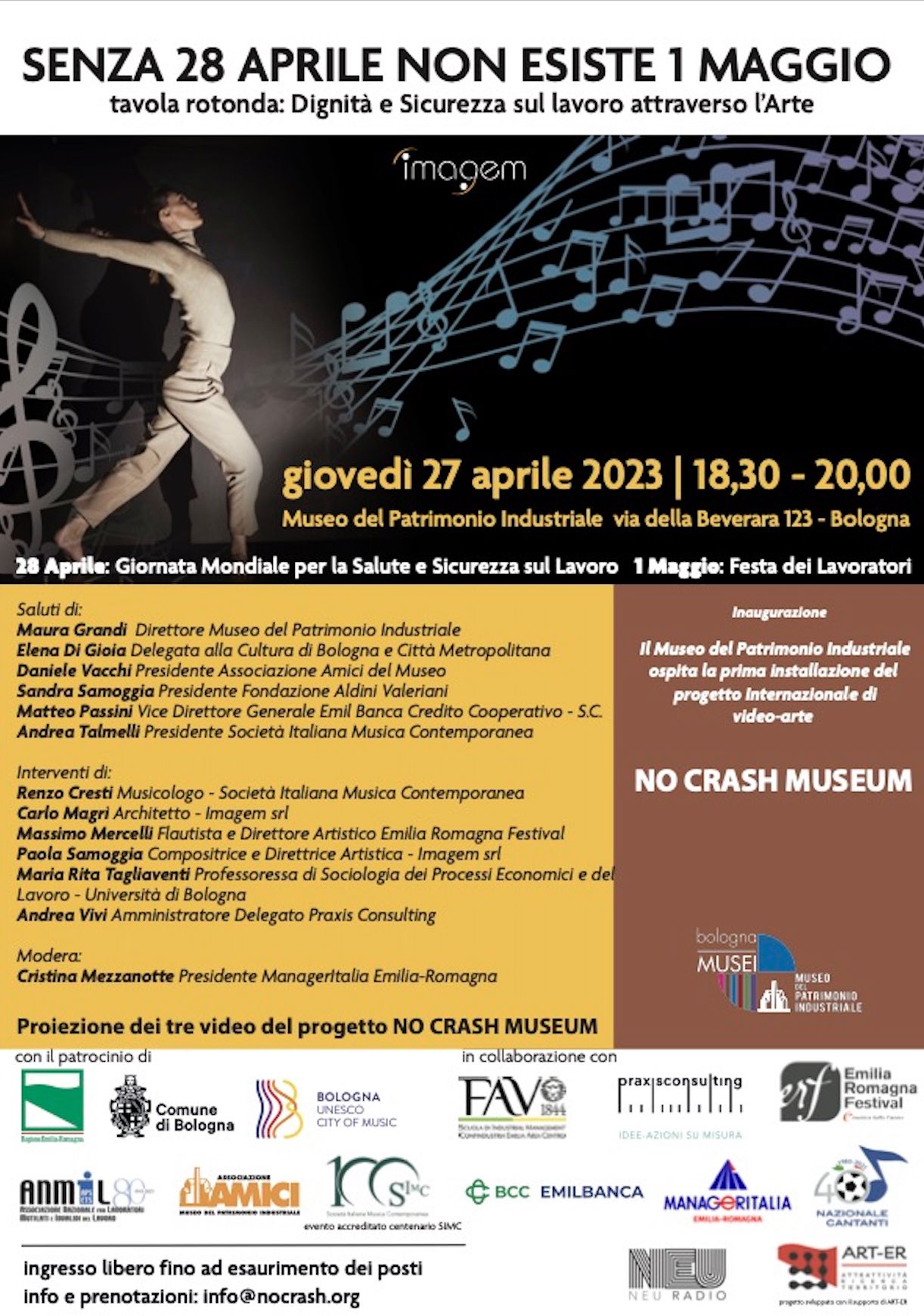
prima presentazione:
Museo del Patrimonio Industriale di Bologna
in occasione della:
Giornata Mondiale per la Salute e Sicurezza sul Lavoro (28 aprile)
l'evento rientra anche nel calendario del Centenario della Società Italiana di Musica Contemporanea (SIMC), associazione fondata da Alfredo Casella
Relatori: Renzo Cresti Critico Musicale_ Maura Grandi Direttore Del Museo Patrimonio Industriale Bologna_ Carlo Magrì Regia dei cortometraggi, Imagem Srl_ Massimo Mercelli Flautista e Presidente di Emilia Romagna Festival_ Cristina Mezzanotte Presidente Manageritalia Emilia Romagna_ Matteo Passini VDG Emilbanca Credito Cooperativo_ Paola Samoggia Compositrice e Direttrice Artistica di Imagem srl_ Sandra Samoggia Presidente presso Fondazione Aldini Valeriani _ Maria Rita Tagliaventi Professoressa Ordinaria Dipartimento di Sociologia e Diritto dell'Economia_ Andrea Talmelli Compositore e Presidente SIMC -Società Italiana Musica Contemporanea_ Daniele Vacchi Former Director Corporate Communications at IMA spa_ Andrea Vivi Socio e CEO di PRAXIS Consulting.
comunicato stampa