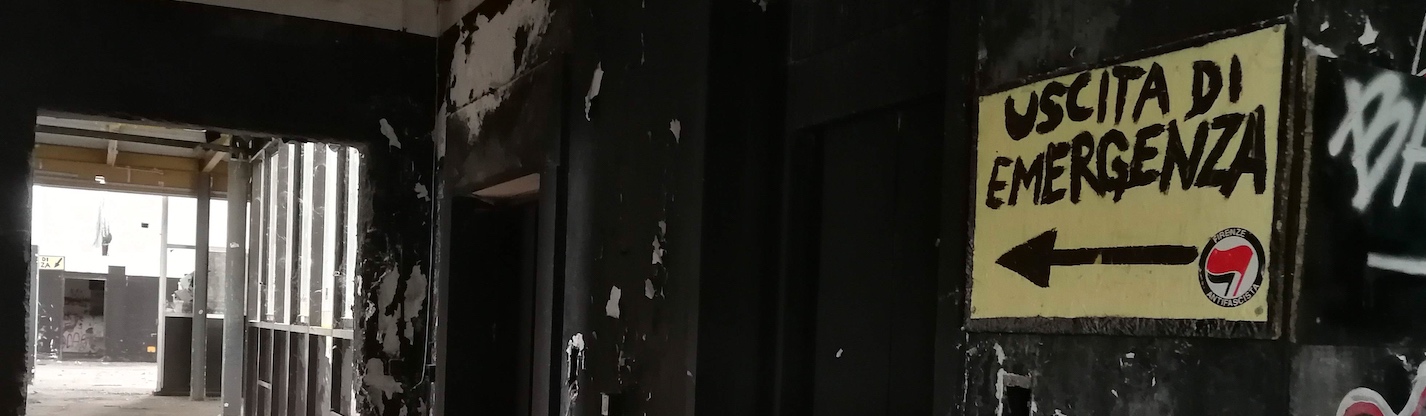
Uno spazio che potrebbe rappresentare una qualsiasi periferia del mondo, degradato e pericolante, diventa scenario per urlare al mondo il desiderio di liberarsi dalle schiavitù di un lavoro senza diritti.
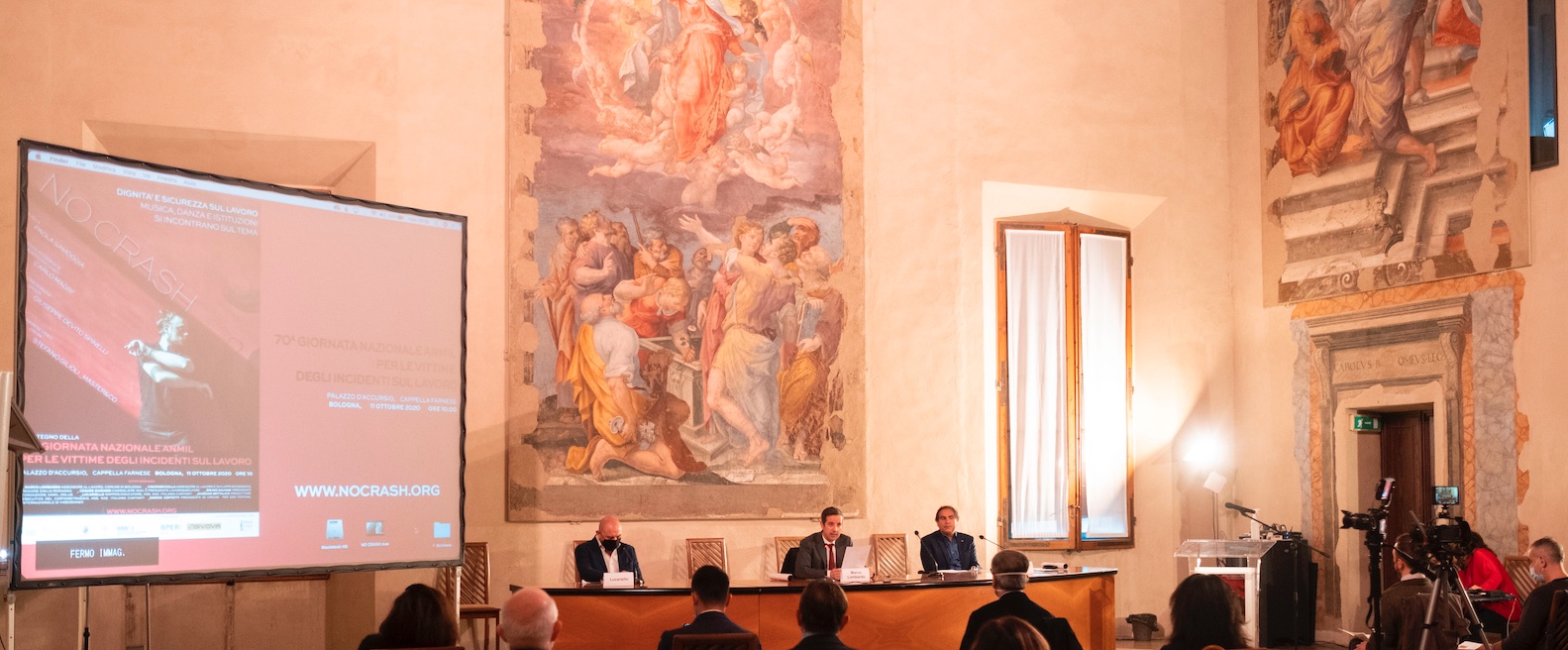
video ideato per la campagna di sensibilizzazione in occasione della 70a Giornata Nazionale ANMIL per le Vittime degli Incidenti sul Lavoro _ 11 ottobre 2020
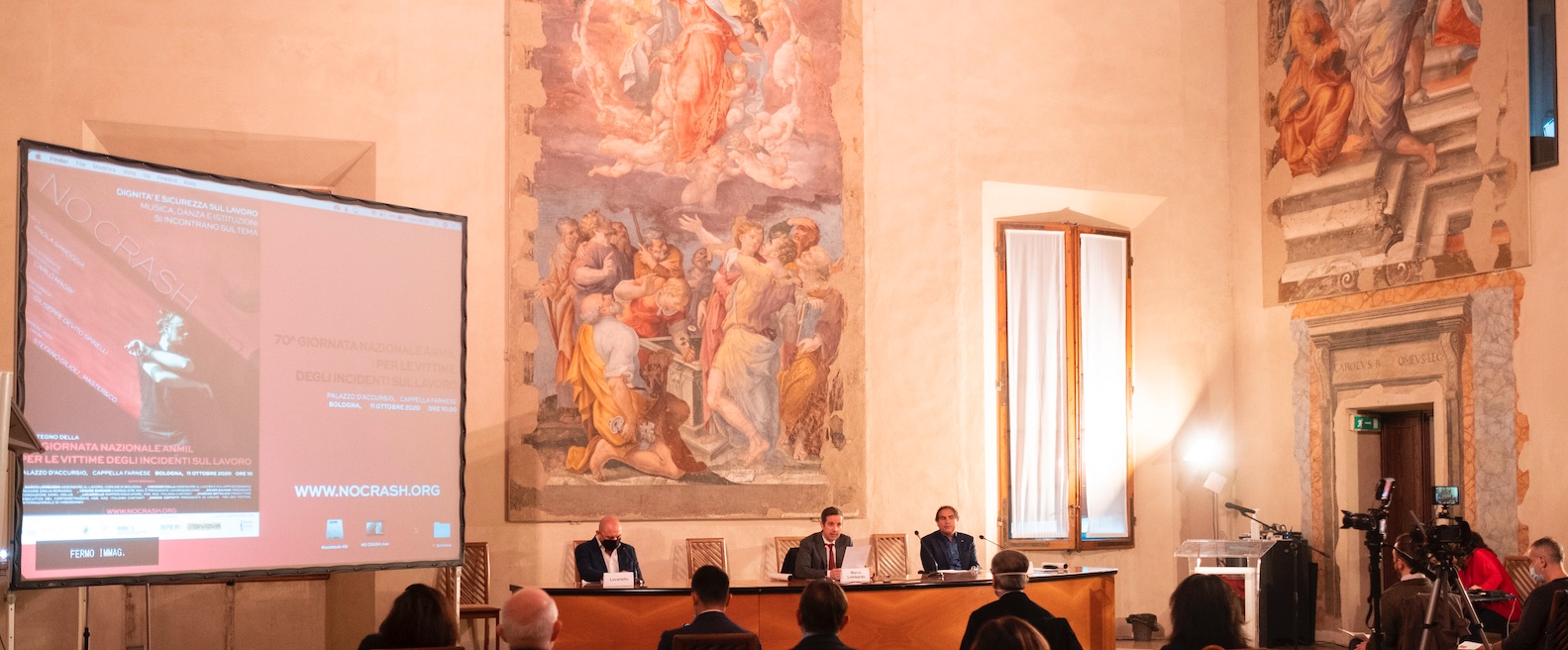
relatori: Marco Lombardo Assessore al Lavoro , Comune di Bologna _ Vincenzo Colla Assessore al Lavoro e Sviluppo Economico Regione Emilia-Romagna _ Cesare Damiano Consigliere INAIL e Presidente Lavoro&Welfare _ Bruno Galvani Presidente Fondazione ANMIL Onlus _ Lucariello Rapper/Educatore, Associazione Nazionale Italiana Cantanti _ Massimo Bettalico Produttore Esecutivo del cortometraggio, Ass. Nazionale Italiana Cantanti _ Carlo Magrì Regia del cortometraggio, Imagem Srl _ Paola Samoggia Musica e Ideazione del Progetto, Imagem Srl _ Giuseppe Devito Spinelli Coreografia e Danza _ Enrico Coffetti Presidente di Cro.Me (Cronache e Memorie dello Spettacolo= per ZED Festival Internazionale di Videodanza. nella foto in basso a destra: i relatori (Cesare Damiano, Vincenzo Colla e Massimo Bettalico collegati online causa imprevista quarantena Covid)
INFORMATIVA RELATIVA AL TRATTAMENTO DEI DATI PERSONALI ai sensi dell’articolo 13 del Regolamento (UE) 2016/679
Trattamento dati personali
Premessa
Imagem Srl informa gli utenti sul trattamento dei loro dati personali per effetto della consultazione del presente sito internet.
Imagem Srl, nella sua qualità di titolare del trattamento si impegna a rispettare e a proteggere la riservatezza dell’utente trattando i dati personali forniti nel rispetto delle disposizioni di legge atte a garantire la sicurezza, l'esattezza, l'aggiornamento e la pertinenza dei dati rispetto alle finalità dichiarate. I dati personali forniti dagli utenti che inoltrano richieste sono utilizzati al solo fine di dare esecuzione alla richiesta di volta in volta inoltrata, e sono comunicati a terzi nel solo caso in cui ciò sia strettamente necessario e funzionale a tale finalità. I dati sono trattati da personale appositamente incaricato al trattamento dei dati.
Titolare del trattamento dei dati
A seguito della consultazione di questo sito possono essere trattati dati relativi a persone identificate o identificabili. Il titolare del loro trattamento è Imagem Srl, in seguito denominata "Azienda", che ha sede in Via Saragozza 19 - 40123 Bologna, nella persona del suo titolare/legale rappresentante.
Luogo del trattamento dei dati
I trattamenti connessi ai servizi web di questo sito hanno luogo presso la predetta sede dell'Azienda e sono curati solo da personale dell'Azienda oppure da incaricati esterni di operazioni di manutenzione e aggiornamento.
Nessun dato derivante dal servizio web viene comunicato o diffuso.
I dati personali forniti dagli utenti che inoltrano richieste di servizi, prestazioni o informazioni sono utilizzati al solo fine di eseguire il servizio o la prestazione richiesta o di fornire le informazioni richieste e sono comunicati a terzi nel solo caso in cui ciò sia a tal fine necessario e quindi, limitatamente ai servizi e alle prestazioni richieste, i dati potranno essere trasmessi al personale interno dell'Azienda, a collaboratori, corrispondenti ed incaricati, a consulenti dell'Azienda in materia di contabilità amministrativa, fiscale e contributiva e di informatica e telematica, ad istituti bancari e finanziari, nonché a soggetti incaricati per la tutela degli interessi dell'Azienda in sede giurisdizionale, amministrativa ed extragiudiziale e per il recupero dei crediti ad incaricati per la spedizione di documenti e per il controllo aziendale.
Specifiche misure di sicurezza sono osservate per prevenire la perdita dei dati, usi illeciti o non corretti ed accessi non autorizzati.
Tipi di dati trattati Dati di navigazione
I sistemi informatici e le procedure software preposte al funzionamento di questo sito web acquisiscono, nel corso del loro normale esercizio, alcuni dati personali la cui trasmissione è implicita nell'uso dei protocolli di comunicazione di Internet.
Queste informazioni non saranno fornite a terzi, ma potranno essere utilizzate per ricavare informazioni statistiche sull'uso del sito e per comunicazioni a carattere commerciale. In questa categoria di dati rientrano gli indirizzi IP o i nomi a dominio dei computer utilizzati dagli utenti che si connettono al sito, gli indirizzi in notazione URI (Uniform Resource Identifier) delle risorse richieste, l'orario della richiesta, il metodo utilizzato nel sottoporre la richiesta al server, la dimensione del file ottenuto in risposta, il codice numerico indicante lo stato della risposta data dal server (buon fine, errore, ecc.) ed altri parametri relativi al sistema operativo e all'ambiente informatico dell'utente. Questi dati vengono utilizzati al solo fine di ricavare informazioni statistiche anonime sull'uso del sito e per controllarne il corretto funzionamento.
I dati potrebbero essere utilizzati per l'accertamento di responsabilità in caso di ipotetici reati informatici ai danni del sito.
Dati forniti volontariamente dall'utente
L'invio facoltativo, esplicito e volontario di posta elettronica agli indirizzi indicati su questo sito comporta la successiva acquisizione dell'indirizzo del mittente, necessario per rispondere alle richieste di servizi e/o informazioni.
La registrazione facoltativa, esplicita e volontaria tramite appositi moduli web (form) presenti sul nostro sito comporta la successiva acquisizione di tutti i dati riportati nei campi compilati dall'utente ed il trattamento, conformemente a quanto riportato nelle specifiche informative riportate per ogni singolo form.
Cookies
Non viene fatto uso di Cookies per la trasmissione di informazioni di carattere personale, né vengono utilizzati c.d. cookies di profilazione, ovvero sistemi per il tracciamento degli utenti.
Ulteriori informazioni sull'impiego dei Cookies possono essere consultate nell'apposita informativa raggiungibile dal link nel footer di questo sito.
Facoltatività del conferimento dei dati
A parte quanto di seguito specificato con riferimento ai dati di navigazione, l'utente è libero di fornire i dati personali necessari al fine di dare esecuzione alle sue specifiche richieste. Il loro mancato conferimento può comportare l'impossibilità di ottenere quanto richiesto.
Per completezza va ricordato che in alcuni casi (non oggetto dell'ordinaria gestione di questo sito), gli organi giudiziari possono richiedere alcuni tipi di dati. In questo caso ovviamente la comunicazione da parte dell’Azienda ai predetti organi risulta obbligatoria.
Modalità del trattamento – Conservazione dei dati
I dati personali sono trattati – secondo principi di correttezza, liceità e trasparenza – con strumenti automatizzati e cartacei per il tempo strettamente necessario a conseguire gli scopi per cui sono stati raccolti e in ossequio a disposizioni di legge.
Finalità del trattamento – Base giuridica del trattamento
a) adempimenti connessi agli incarichi conferiti all'Azienda e/o ai servizi alla stessa richiesti, nonché alle norme civilistiche, contabili, fiscali e di pubblica sicurezza, alla gestione amministrativa del rapporto e agli adempimenti comunque correlati all'attività economica dell'Azienda;
b) finalità necessarie ad accertare, esercitare o difendere un diritto in sede giudiziaria o ogniqualvolta le autorità giurisdizionali esercitino le loro funzioni giurisdizionali;
c) per l’eventuale invio di materiale informativo sui servizi dell'Azienda e promozionale da parte dell'Azienda nonché di sue controllate e partecipate;
La base giuridica del trattamento di dati personali per le finalità di cui alla lettera:
a) è l’esecuzione dell’incarico conferito e/o l’erogazione del servizio richiesto;
b) è l’adempimento ad un obbligo legale cui l’Azienda è soggetta;
c) è il consenso dell’utente, che potrà essere in qualsiasi momento revocato. La revoca del consenso non pregiudica la liceità del trattamento basata sul consenso precedentemente prestato.
Diritti degli interessati
I soggetti cui si riferiscono i dati personali hanno il diritto in qualunque momento di chiedere all’Azienda l’accesso ai dati personali, la rettifica o la cancellazione degli stessi o di opporsi al loro trattamento, la limitazione del trattamento nonché di ottenere, ove tecnicamente fattibile e nei casi previsti dalla legge, in un formato strutturato, di uso comune e leggibile da dispositivo automatico, i dati personali che li riguardano.
Al fine di semplificare le modalità di inoltro e ridurre i tempi per il riscontro si invita a presentare le richieste, di cui al precedente paragrafo, per iscritto all’indirizzo di posta elettronica info@imagem.it.
L’utente, qualora ritenesse che il trattamento dei suoi dati personali sia contrario alla normativa vigente, ha in ogni caso il diritto di proporre reclamo all’autorità di controllo competente (Garante per la Protezione dei Dati Personali) o di adire le opportune sedi giudiziarie.
Accedendo a questo sito l'utente accetta l'utilizzo dei cookie impostati sul sito stesso, secondo le modalità descritte nel presente documento. Un cookie web consiste in una serie di informazioni contenute in file di testo di piccole dimensioni che vengono memorizzate sul vostro computer dal sito che state visitando. I cookie possono memorizzare diversi tipi di informazioni, comprese quelle personali, come il nome utente o un indirizzo e-mail. Per questo motivo, l'Unione Europea ha emanato una direttiva (2002/58/CE), recepita nei D. Lgs. 69 e 70/2012 e nel Provvedimento del Garante per la protezione dei dati personali n. 229/2014, che disciplina l'utilizzo dei cookie e la memorizzazione delle informazioni di identificazione personale.
Le informazioni raccolte tramite cookie dal nostro sito sono in forma anonima e finalizzate all'esclusivo utilizzo sul sito web stesso. I cookie impiegati nel nostro sito non consentono l'accesso ad alcuna informazione personale, salvo gli eventuali dati che l'utente sceglie di condividere con noi.
Tipo di cookie utilizzati
Questo sito non usa cookie di profilazione, ma solo quelli tecnici, strettamente necessari al funzionamento e all'analisi delle prestazioni e del traffico. I cookie tecnici impiegati sono di tipo:
• transitorio (o di sessione), che mantengono le informazioni per il tempo necessario alla navigazione web e che vengono cancellati una volta usciti dal browser o allo spegnimento del computer;
• persistente, che memorizzano e mantengono le informazioni sul computer fino all'eliminazione del cookie stesso e che consentono il recupero automatico di informazioni immesse in precedenza.
Nessun dato personale raccolto da questo sito durante la navigazione degli utenti viene utilizzato per inviare messaggi pubblicitari in linea con le preferenze manifestate dall'utente durante la navigazione in rete.
Cookie di terze parti
Questo sito contiene link ad altri siti web che dispongono di una propria informativa sulla privacy che potrebbe essere diversa da quella adottata da questo sito.
Un esempio è rappresentato dalla presenza dei “social plugin” per Facebook, Twitter, Linkedin, Google+ o altro. Si tratta di parti della pagina visitata generate direttamente dai suddetti siti ed integrati nella pagina del sito ospitante. L'utilizzo più comune dei social plugin è finalizzato alla condivisione dei contenuti sui social network. La presenza di questi plugin comporta la trasmissione di cookie da e verso tutti i siti gestiti da terze parti. Quando l’utente visita una pagina di questo sito, i plug-in presenti stabiliscono una connessione diretta tra il browser dell’utente e i social network. Tramite questa connessione i social network acquisiscono alcune informazioni relative allo stesso, come ad esempio indirizzo IP, data e ora della visita, browser utilizzato, ecc. Inoltre, se l’utente è connesso (e quindi autenticato) su uno di questi social network, le informazioni raccolte possono essere collegate al proprio profilo social.
Questo sito, invece, non rileva nessuna delle informazioni che vengono trasmesse al social network tramite il plug-in.
Altro esempio può essere Google Analytics, un servizio di analisi del traffico web fornito da Google, Inc. (“Google”). Anche in questo caso si tratta di cookie di terze parti raccolti e gestiti in modo anonimo per monitorare e migliorare le prestazioni del sito ospite.


 "logo.jpg")